Recent research shows that about 70% of tablet owners and 53% of smartphone users regularly use public Wi-Fi hotspots. Despite the convenience of such connections, they are associated with serious security risks. Information transmitted over open networks can easily become prey for cybercriminals. Thus, a significant number of mobile device users unknowingly put their personal data, including digital profiles and financial information, at risk. The situation is aggravated in cases where devices are not equipped with high-quality antivirus software: the likelihood of confidential information leakage and identity theft increases several times.
Recommendations for protecting your data when connecting to public Wi-Fi networks
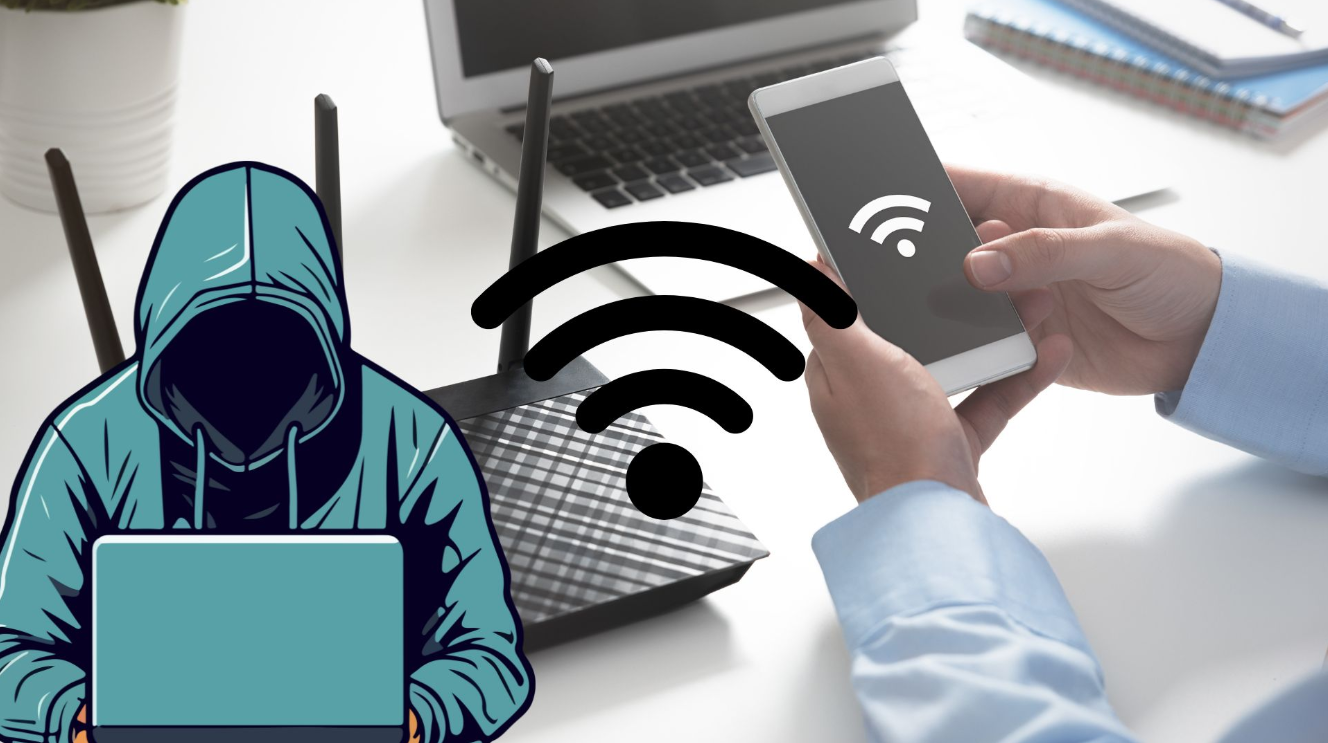
Many public places, such as cafes, hotels, shopping malls, airports and other institutions, provide free Wi-Fi, which creates convenient conditions for users: you can check your email, log in to social networks or browse your favorite sites on the go. However, it should be noted that these open networks often become the target of cybercriminals. Using special tools, attackers can intercept data transmitted through public access points.
This means that there is a real threat of leakage of important information – including logins, passwords, bank details and other confidential information that the user can transmit unknowingly.
To minimize such risks and ensure safe Internet surfing, Kaspersky Lab experts recommend adhering to the following proven security measures.
- Public Wi-Fi networks aren’t safe. Please exercise caution when using them, as they can expose your personal information.
- Keep in mind: Any device can fall victim to cyber threats.
Laptops, smartphones, and tablets are all at risk when connected to wireless networks. This makes it crucial to stay vigilant. - Don’t assume that any Wi-Fi connection is trustworthy. Some networks may be deceptive, created by cybercriminals aiming to steal your valuable personal information. These malicious actors often set up fake networks that look legitimate. Therefore, it’s essential to stay alert and avoid connecting to unknown or unrecognized wireless access points.
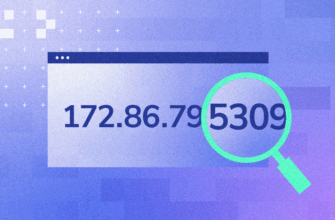
- Cybercriminals often name fake connections after popular cafes, hotels, or other establishments that offer free Wi-Fi. If you have the opportunity, engage with a staff member at the location to verify details about their official Wi-Fi access point. Ask for specific information, such as the name of the connection and the IP address. This simple step can significantly enhance your online safety while using public networks. Always prioritize your security to protect your personal data!
- When you connect to a public Wi-Fi network, you need to understand how to activate a virtual private network (VPN). This creates an encrypted communication channel between your device and the Internet, a kind of “digital corridor” through which data passes in a secure form. This method does not give attackers complete control in intercepting transmitted information and minimizes the chance of personal data leakage.
- When using open Wi-Fi, try not to visit sites that require entering personal information – for example, online banking, payment services or social networks. These resources often become the main target for cybercriminals, especially if the user is connected to an unencrypted network. In such cases, it is better to wait for a secure connection or switch to mobile Internet.
- When accessing sites related to finances, shopping or confidential information, preference should be given to a mobile network. Unlike public hotspots, a cellular connection is better protected from external interference. This is especially important if privacy and security are your priorities.
- Ensure your devices are well protected from cyber threats by installing proven antivirus software and updating it regularly for maximum effectiveness.