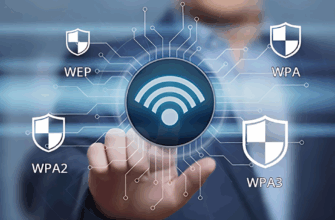
Since ancient times, people have been looking for as many methods as possible to encrypt information, and in today’s digital landscape, it is almost impossible to imagine life online without reliable security measures. Let’s learn more about why encryption is absolutely necessary for everyone.
- What is data encryption?
- What is the process of database encryption?
- When should you use data encryption?
- Types of data encryption
- What is meant by end-to-end data encryption?
- Difference between data masking and data encryption
- How have modern data encryption standards changed over time?
- Modern best practices in the field of cryptographic data protection
- Common Misconceptions About Data Encryption
- How about cloud encryption?
- How does VPN encryption work?
- Encryption of large amounts of data
What is data encryption?
Data encryption is a vital process that involves converting information from its easily readable or unprotected format into a secure, coded version that is difficult to interpret. Access to this encrypted information is limited as much as possible to those who have the important encryption key or decryption key to unlock it.
What is the process of database encryption?
Databases function as centralized storage systems (whether local or cloud-based) for essential business information, which makes them prime targets for cybercriminals seeking to exploit vulnerabilities.
Many encryption solutions designed for databases often overlook the risks posed by insider threats and intricate attacks where malicious actors disguise themselves as legitimate privileged users. In environments that require a significantly higher level of security, Hardware Security Modules (HSM) provide FIPS-certified protection for database keys, ensuring that these sensitive keys are securely stored within a highly trusted device, minimizing the risk of unauthorized access.
When should you use data encryption?
To comply with various regulations, encryption methods are often required or strongly recommended for both data transfer and storage. For example, although the General Data Protection Regulation (GDPR) does not explicitly state the mandatory use of encryption, this approach is considered an effective means of confirming to regulatory authorities that information is reliably protected from unauthorized access.
In contrast, the US Health Insurance Portability and Accountability Act (HIPAA) directly requires encryption of protected health information (PHI) at rest. This is critical to maintaining patient privacy and building trust within healthcare organizations. For more detailed recommendations on preventing information leaks in the healthcare sector, please see our detailed instructions and descriptions of proven security methods.
Even where regulations do not require mandatory encryption, there is general recognition that protecting any information containing personally identifiable information (PII) or commercially sensitive information using modern cryptographic techniques is a key element of information security best practice.
Types of data encryption
In this option, there are two lines of data encryption: symmetric and asymmetric encryption, each with its own characteristics. Symmetric encryption protects data using only one cryptographic key. This option can provide you with faster encryption processes because it relies on a shorter key length, but this speed comes at the cost of decreased security. On the other hand, asymmetric encryption uses a pair of keys – a public key and a private key – that work together to decrypt data. This two-key system significantly increases security, making asymmetric encryption a better option for users to protect sensitive information. To learn more, learn more about the key differences between symmetric and asymmetric encryption methods.
What is meant by end-to-end data encryption?
End-to-end encryption is a secure method of communication in which only the sender and the intended recipient have the ability to encrypt or decrypt messages. This encryption process occurs both at rest and during transmission, effectively ensuring that no unauthorized third party can intercept, access, or modify the information being exchanged.
Difference between data masking and data encryption
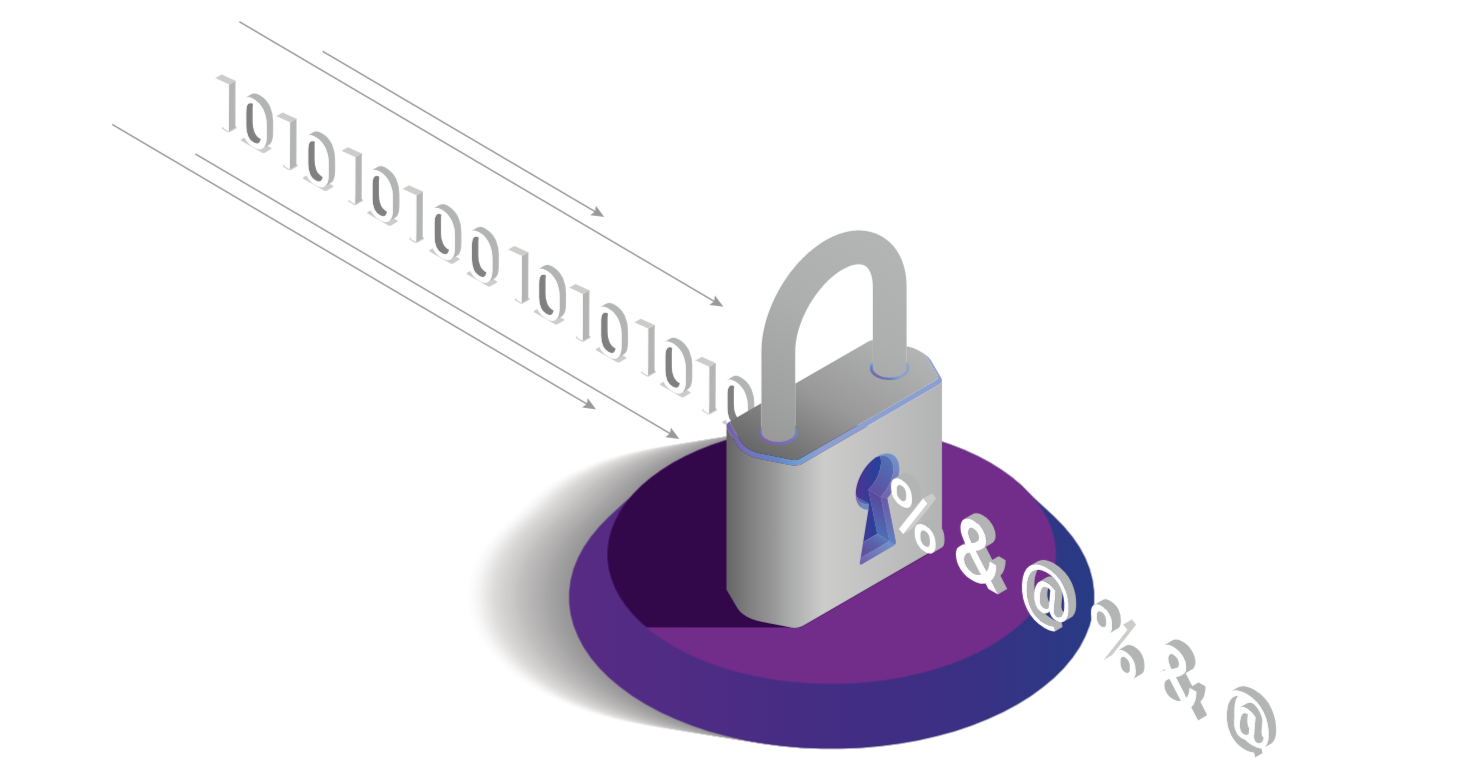
Simply put, data masking is a method of hiding sensitive information to prevent its disclosure, while encryption is designed to convert that data into an encrypted format to ensure its security. With masking, companies can securely protect sensitive information, including social security numbers, payment card details, and other categories of personally identifiable information (PII). At the same time, the information remains available for internal use by authorized employees, while remaining inaccessible to attackers and outsiders.
Despite the similarities in the problems that these approaches solve, there are fundamental differences between them. Encryption transforms the original data using a specially developed cryptographic algorithm, and a unique decryption key is required to obtain the original information back. It is the availability and protection of this key that makes encryption a powerful means of ensuring the confidentiality and integrity of information in the face of a digital threat.
How have modern data encryption standards changed over time?
Cryptographic standards have undergone a significant transformation to stay ahead of the increasingly sophisticated methods used by cybercriminals and hackers. Today’s encryption algorithms offer significantly higher levels of reliability, authenticity, and non-repudiation than the outdated symmetric algorithm DES (Data Encryption Standard), which no longer meets information security requirements.
Developed in the 1970s with the support of the US National Institute of Standards and Technology, DES used a 56-bit key, which is considered extremely vulnerable by today’s standards. However, this standard played a key role in its time, becoming a starting point for the creation of more reliable cryptographic solutions and forming the foundation for future data protection standards.
Today, the cryptographic environment has changed significantly: modern ciphers such as AES (Advanced Encryption Standard) are designed with threats in mind that were not even considered before. They are able to withstand not only classic brute force or differential analysis attacks, but also complex side-channel attacks that exploit data leakage via electromagnetic radiation, thermal traces or timing. Such measures provide the level of protection required in the context of increasing digitalization and global interconnectedness of systems.
Modern best practices in the field of cryptographic data protection
- Ensure that you encrypt every type of confidential information, not just those that are most easily detected or discovered.
- Thoroughly assess how well your encryption performs to ensure it effectively safeguards sensitive data without consuming excessive amounts of time and processing power.
- Develop comprehensive strategies for managing both data at rest and data in transit. It is crucial to take industry standards and regulations into account.
- Evaluate your organization’s specific requirements for choosing between symmetric and asymmetric encryption methods to ensure optimal security.
Common Misconceptions About Data Encryption
Past negative experiences with encryption technologies have left a bad impression of this critical information security tool. But when implemented correctly, encryption can greatly improve agility, compliance, and privacy—all of which are vital for businesses to thrive in a rapidly changing environment. Here are some common misconceptions about data encryption:
- It is a common misconception that encryption slows down performance. However, modern technologies are optimized to minimize the impact on processing speed.
- Many people are afraid of the terminology, but mastering the basic concepts of encryption can be done without a degree.
- While this task may seem daunting at first, there are proven solutions for centralized and secure key management.
- Using proven practices and tools significantly reduces the risk of key loss to virtually zero.
- The initial setup can be a bit of a hassle..
- In reality, protection extends to data at rest, in transit, and in use, forming a larger security net.
- Regular key rotation is a security imperative, and automated processes can do this without noticeable impact on service operation.
- While the investment may be the best option, the benefit of preventing sensitive information from leaking far outweighs the cost of implementation.
- Modern cloud service providers implement advanced security algorithms, ensuring a high level of data security even in distributed environments.
- A large inventory of solutions that integrate with various operating systems and software platforms.
How about cloud encryption?
The world is increasingly evolving around virtualization and cloud technology. The cloud delivers substantial benefits in terms of cost and flexibility, making it an attractive option for many businesses. However, some IT managers remain hesitant to store sensitive data in the cloud, preferring the security of their own controlled data centers.
Data encryption empowers organizations to adopt a Cloud and Infrastructure as a Service model while ensuring robust data privacy. Below are the primary advantages of data encryption in the cloud:
- Supports organizations in migrating to the cloud, simplifying the transition process.
- Organizations hold the keys, enabling easy revocation and decommissioning whenever necessary.
- Facilitates secure operations for numerous users in the cloud, enhancing overall productivity.
- Detaching data from key services can effectively prevent service providers from accessing or unintentionally revealing sensitive information.
- Assists in meeting regulatory compliance, which is crucial in today’s data-driven landscape.
- Provides organizations with a security layer through timely breach alerts, helping to mitigate risks.
- Can offer service providers a competitive advantage, attracting clients who prioritize data security.
- Instills confidence in data protection within a multi-cloud landscape, reassuring stakeholders.
- Allows organizations to secure their remote workspaces, ensuring data safety for employees working from various locations.
How does VPN encryption work?
When connecting to the 1xVPN service, all user Internet traffic is instantly protected with powerful 256-bit encryption, which can only be decrypted by the VPN server. This form of data encoding is one of the most reliable in the world, which ensures absolute confidentiality throughout the entire path of information on the network. Encryption itself is the process of converting the original data into an encrypted form that can only be read using a special decryption key. This approach guarantees that any of your personal information will be available only to the recipient and will not fall into the hands of third parties.
The same algorithm works in the opposite direction: data sent to your device is encrypted on the VPN server side and transmitted over a secure channel. Imagine this channel as a tunnel within a tunnel – it is impossible to look inside or interfere with the transmission process from the outside. Even if an intruder somehow intercepts encrypted packets, without the appropriate decryption key, they will remain an absolutely meaningless set of characters for him. So you can surf the internet with confidence knowing that your activities – whether you’re accessing important work materials or streaming movies – are protected. 1xVPN doesn’t just hide your traffic, it creates a strong digital armor, giving you peace of mind and security in every connection.
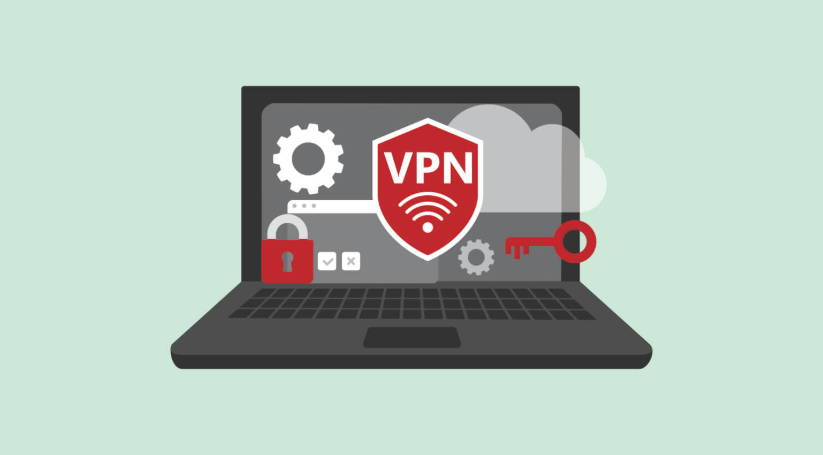
All this will give you protection with complete anonymity, safety and integrity of the data you send and receive over the Internet using the 1xVPN service.
Encryption of large amounts of data
Big data refers to the process of extracting, processing, and analyzing huge amounts of information from multiple, disparate sources. This approach helps to identify hidden patterns and dependencies that can be used to build accurate business forecasts. However, the fragmentation and scale of such data significantly increases information security risks compared to smaller sets, which are usually simpler and more centralized to protect.
To ensure reliable information protection when working with big data, it is necessary to use cryptographic solutions that comply with FIPS 140-2 Level 3. Such a certified security boundary is necessary for reliable storage of encryption keys and optimization of resource-intensive cryptographic operations. This allows for high performance with low latency, as well as the use of hardware accelerators, while ensuring constant availability and security of information in real time.