Every day, it becomes increasingly challenging to maintain anonymity online. With just a bit of effort, anyone can quickly pinpoint a user’s exact location and phone number. In this article, we will explore why concealing your IP address is crucial for safe browsing on the internet, as well as the simplest and most effective methods to accomplish this.
An IP address acts as a unique identifier for your computer, allowing websites and service providers to recognize who you are and the specific moments when you connect to the internet. It’s crucial to understand that maintaining your anonymity plays a significant role in developing a successful business strategy.
- IP address: definition and purpose
- Main types of IP addresses
- IPv4 or IPv6 – How are they different from each other
- Local and public IP address
- Static or dynamic address?
- 5 Ways to Hide Your IP Address on the Internet
- Connecting to the Internet via VPN
- Installing TOR Browser
- Connection via proxy servers
- Free Wi-Fi as a way to hide your IP
- Request for allocation of a new IP address from the Internet provider
- Why hide your IP address on the network – the main reasons
- Maintain anonymity
- Solve the geolocation issue
- Bypass network restrictions
- Avoid IP Bans
- Block malicious attacks
- Conclusion
IP address: definition and purpose
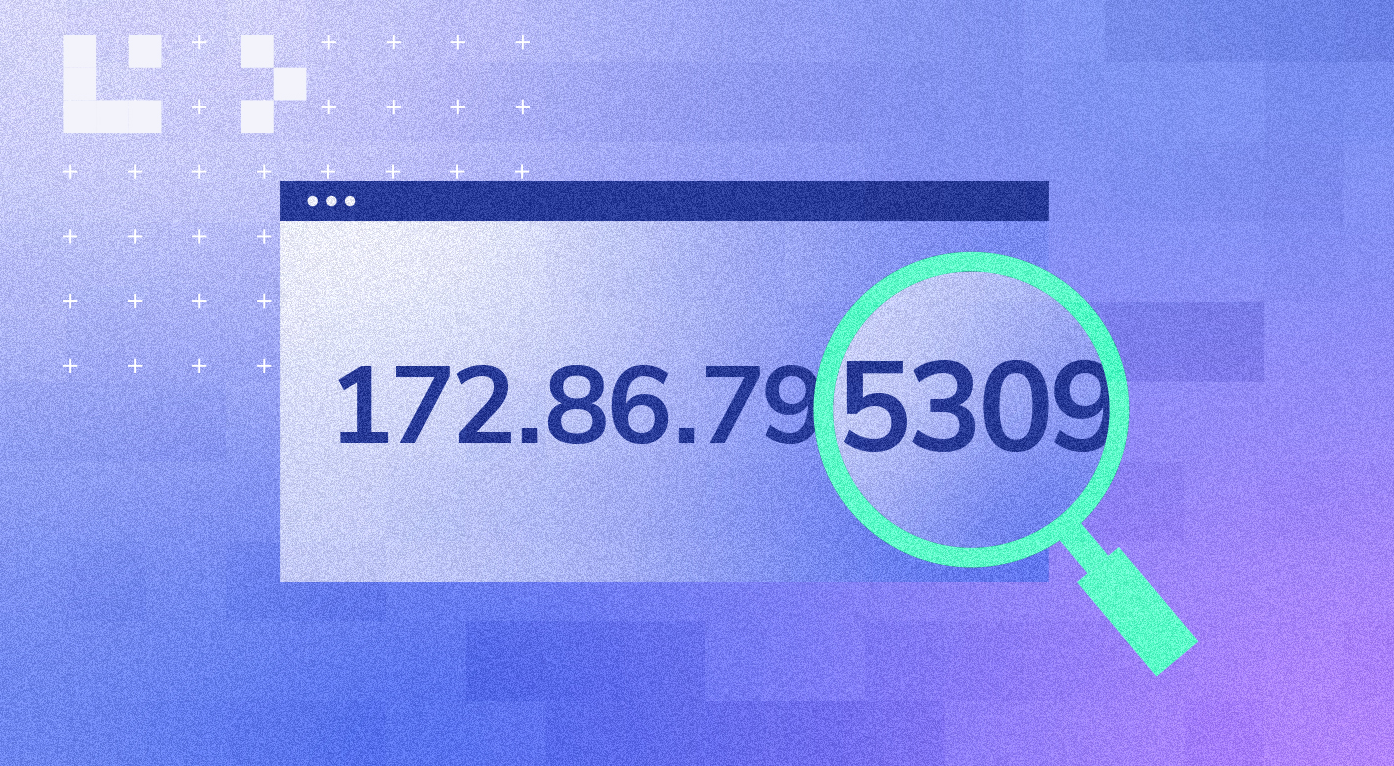
Let’s break down what an IP address is in simple terms. An IP address is a string of numbers and dots that uniquely identifies your device on the Internet. When you browse the Internet, a “conversation” of sorts takes place between your device and the server. The client connects to the server, which recognizes the IP address and sends back the requested information. This relationship between servers and IP addresses is part of a larger framework known as TCP/IP, which facilitates communication over the Internet.
Your IP address is publicly visible, meaning it can be seen by various entities on the Internet. For people who value their privacy and are concerned about censorship, steps are usually taken to hide their IP address from ISPs and advertisers. Such consistent steps will prioritize protecting personal data and maintaining anonymity while browsing the Internet, allowing users to browse the web with greater security and peace of mind.
Main types of IP addresses
IP addresses can be classified in several distinct ways: IPv4 and IPv6, private and public, as well as static and dynamic types. Let’s delve into each of these categories in greater detail.
IPv4 or IPv6 – How are they different from each other
The IPv4 protocol is considered the cornerstone of the modern Internet architecture and was developed in the late 1960s. Its structure is based on the use of 32-bit addressing, which limits the number of possible IP addresses to approximately 4.3 billion. IPv4 ensures stable data transmission and functions as a reliable mechanism for routing packets between network devices. It simplifies interaction between network participants, eliminating the need to establish permanent connections. However, limitations such as a limited pool of addresses and security vulnerabilities led to the beginning of the development of a more advanced Internet protocol back in the 1990s – capable of meeting growing technological and user needs.

In contrast, IPv6 implements a 128-bit addressing system and offers a hierarchical approach to routing. This version of the protocol has a number of advantages over its predecessor: better adaptation to mobile environments, simplified management of network infrastructure and a significantly increased level of data protection. With these improvements, IPv6 provides a promising foundation for the sustainable development of the global network in the future, ensuring scalability and efficiency for the further expansion of the Internet.
Local and public IP address
The main difference between local and global IP addresses is their purpose and scope. Global (public) IPs are needed so that devices can be recognized on the Internet and interact with external resources. At the same time, local IP addresses are used exclusively within private networks – be it a home network or a corporate structure – where they serve to identify internal devices.
Static or dynamic address?
A static IP address is characterized by constancy: it is assigned to a specific device and does not change over time, providing a stable access point. In contrast, dynamic IP addresses are assigned automatically each time you connect to the network, and, as a rule, change depending on network conditions and the provider. This makes them more flexible, especially in conditions where devices move between different network environments.
5 Ways to Hide Your IP Address on the Internet
There are numerous ways to safeguard your anonymity on the internet today. While some techniques are effective and reliable, others may not deliver the desired results. Our goal is to share tools that genuinely assist in concealing your IP address online. Here they are:
- Utilizing a reputable VPN service
- Installing the Tor browser for enhanced privacy
- Connecting through various proxy servers
- Taking advantage of free (public) Wi-Fi networks
- Requesting a new IP address from your internet service provider
In the second section of this article, we will thoroughly discuss how each method operates, its benefits, and any potential challenges or pitfalls you might encounter along the way.
Connecting to the Internet via VPN
VPN is perhaps the most accessible and efficient way to mask your own IP address. By connecting to a virtual private network, you get the opportunity to change your network ID in a couple of clicks. Each new connection session is accompanied by the issuance of a new IP, not associated with your real location, which greatly enhances your digital anonymity.
One of the main strengths of VPN is the ability to set the desired geolocation of your Internet profile. Even if you are, say, in the CIS, you can go online as if you were anywhere on the planet – be it the USA, Germany, Austria, Singapore or another country. Thanks to such versatility, you get access to online resources that could be blocked in your region. At the same time, the connection remains secure, and the VPN is stable and reliable, which gives confidence during Internet surfing.
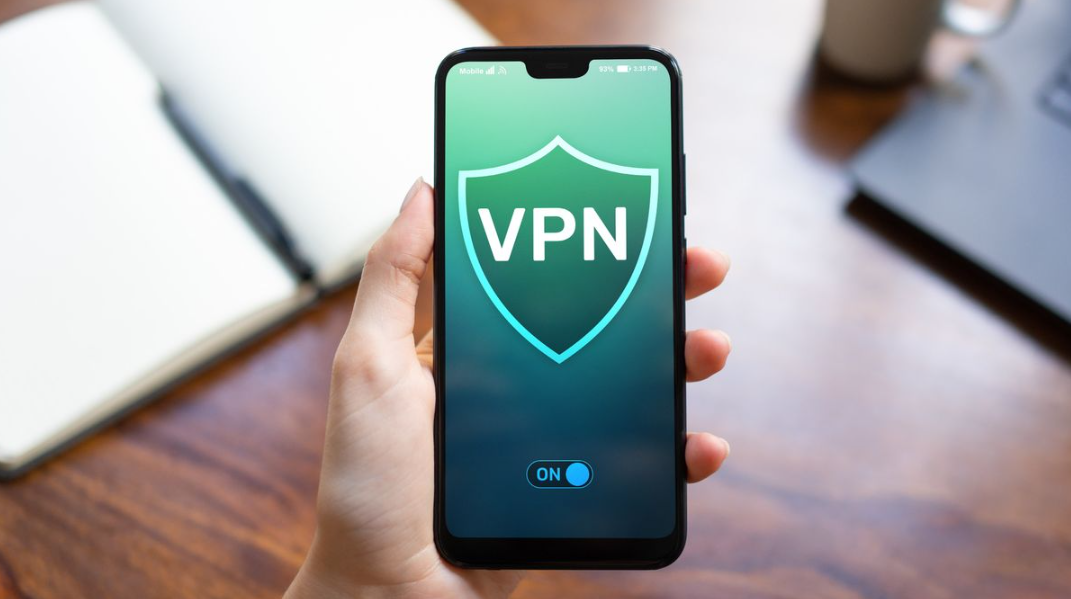
However, it is worth considering: some users may experience a drop in connection speed when using a VPN. This is due to different technical parameters of the services presented on the market, and not all of them demonstrate the same high quality. Before installing a VPN program, it is highly recommended to study the opinions of real users and conduct a small analysis of the characteristics. This will help you choose a truly reliable solution that will fully satisfy your needs.
Installing TOR Browser
Tor Browser is a free, open-source browser that will give you complete anonymity protection on the Internet. This priority for users makes it safe for you to visit websites without revealing your identity or leaving a digital trace. By routing traffic through a distributed network of nodes, Tor effectively overcomes censorship and blocking, providing protection from surveillance by government agencies and Internet service providers.
The installation process of Tor Browser is clear and is practically no different from installing popular browsers such as Chrome, Firefox or Opera. The main difference is the built-in tools for hiding the IP address and encrypting the transmitted information, which ensures a high level of privacy when working on the network. Tor is especially important for users in countries with strict censorship on the Internet, where access to independent sources of information is limited.
The biggest advantage of Tor is its complete availability – anyone can install the program and use it. This makes the Internet more open to people living under authoritarian control. It is important to understand: due to multi-level routing, the connection may be slower than when using regular browsers. Therefore, streaming video or listening to music through Tor will not always be comfortable – delays and buffering are possible.
Connection via proxy servers
One of the reliable ways to hide your IP address is to use a dedicated proxy server.
Since its inception in the early 1990s, proxy protocol technology has come a long way and continues to evolve in the 21st century. Modern solutions in this area include the use of complex peer-to-peer architectures that provide a high level of personal data protection and high-quality encryption of Internet traffic.
It is important to remember: although it is easy to find free proxy services on the Internet, their use can be associated with serious threats. Many such platforms not only reduce the connection speed, but also often exploit the resources of your device, redirecting other people’s traffic through it. This is why it is recommended to give preference to paid proxies from trusted and respected providers. Despite the need for investment, you will receive reliable protection, confidence in privacy and stability of work on the network.
Free Wi-Fi as a way to hide your IP
When you connect to public Wi-Fi hotspots, your IP address is automatically changed to a temporary one. Despite the convenience of such networks, there are serious risks behind it. When you connect to open Wi-Fi, you are essentially exposing your personal data: intruders can secretly intercept the information you are transmitting. This is why you should limit your use of public networks to emergency situations only. It is important to always use protective measures – such as a VPN or disabling automatic syncing – to reduce the likelihood of cyberattacks and maintain privacy.
Request for allocation of a new IP address from the Internet provider
Your internet service provider has the authority to change your IP address, which can be either static or dynamic. To request a new IP address, you typically need to file a formal request and pay a fee, as this service usually isn’t free. However, there are significantly more drawbacks than advantages to ordering a new IP address from your provider. Overall, it tends to be a more expensive and less efficient option compared to the alternatives previously discussed. This entire process can lead to a variety of challenges:
- Changing your IP address will also result in a change to the DNS server, which is highly inconvenient and often problematic for users.
- Existing services may be assigned new addresses, which can disrupt connectivity.
- There’s a risk that access rules may not work properly, leading to potential issues with firewall blocks and security settings.
Given the numerous adjustments required to configure a new IP address with your provider, there’s a substantial risk of making mistakes during the process. If an error occurs, the entire network you’ve carefully built could collapse under the pressure, much like a precariously stacked set of dominoes. Therefore, it’s essential to weigh the risks and benefits before proceeding with this option, as the consequences could be significant and time-consuming to resolve.
Why hide your IP address on the network – the main reasons
Many Internet users make every effort to keep their IP address hidden from strangers. Why do they do this? There are many reasons for this:
Maintain anonymity
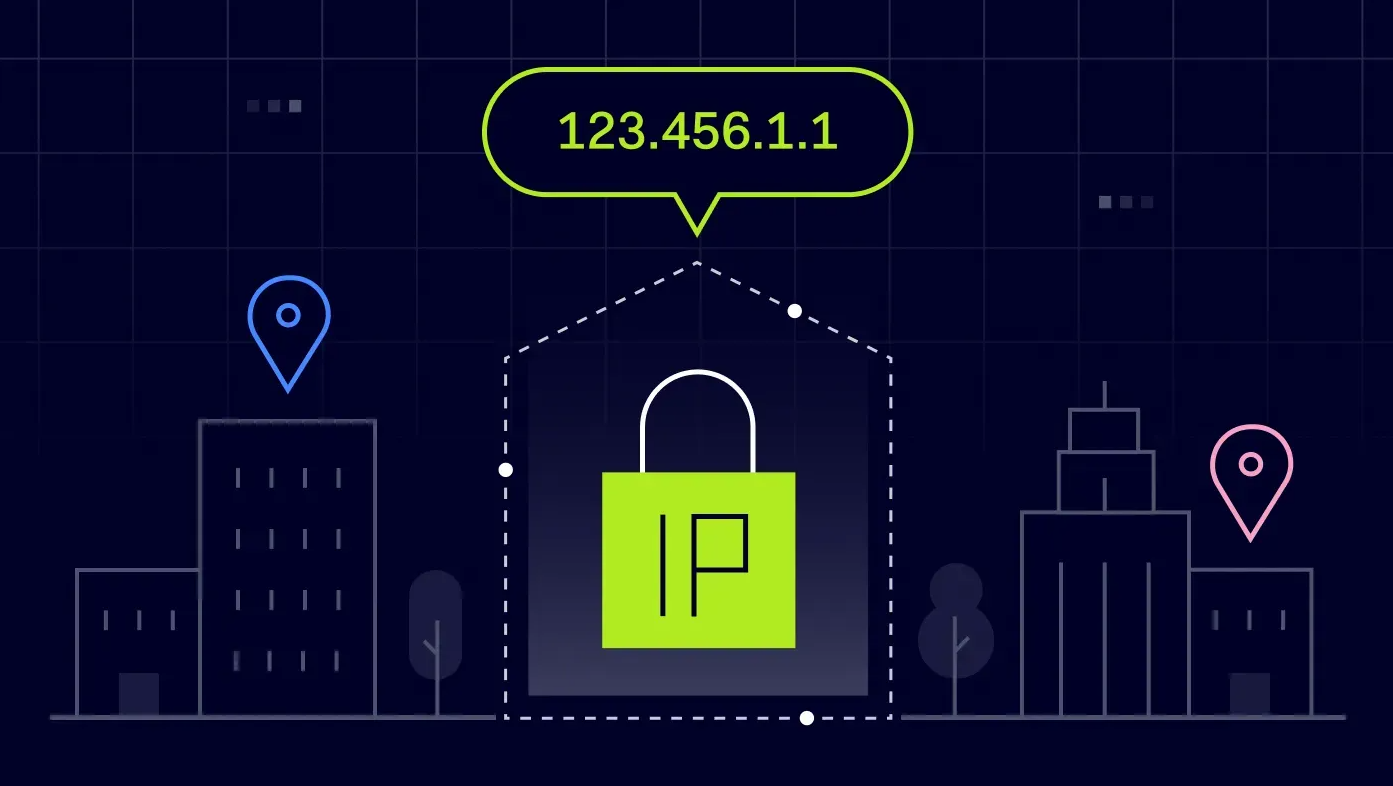
An IP address on the internet serves a role similar to that of an internal passport. By utilizing it, cybercriminals can unearth your full name, professional background, location, and a variety of other personal details. It’s quite unsettling, isn’t it? Although this doesn’t imply that scammers will track down your home and unlock your door tomorrow, they could certainly carry out a hacking attempt on your internet service provider to access sensitive, confidential information. The risk becomes even greater if you’re searching for industry insights or competitive information. This highlights the importance of maintaining complete anonymity in your online activities. It’s especially crucial if your business is focused on conducting online research or performing market analysis, where the need for privacy and security is paramount.
Solve the geolocation issue
A user’s IP address can reveal their physical location. This technical feature often becomes the basis for applying geographic restrictions: website owners are required to comply with legal norms, including copyright, which sometimes leads to content being blocked for users from certain countries. For example, if you are in Austria and try to open a Russian resource, access may be restricted. However, using IP masking tools – for example, by replacing it with a Russian one – it is often possible to bypass such restrictions. This creates difficulties for resource owners seeking to comply with legal requirements. At the same time, businesses can use IP address substitution to “appear” closer to their target audience, which increases the chances of establishing contact with potential clients and improves marketing efficiency.
Bypass network restrictions
Network administrators and service providers often employ specialized blockers, known as firewalls, to restrict access to certain websites for various reasons. Interestingly, these types of restrictions can also be implemented by specific companies or educational institutions to maintain a controlled online environment. One of the simplest and most effective methods to bypass these blocks is by changing your IP address. By doing so, the firewall rules that apply to your network connection will no longer affect your computer, allowing you to freely browse any web pages you desire, 24/7, without limitations or interruptions.
Avoid IP Bans
Few things are more frustrating than facing an unfair IP ban. Your IP can get blacklisted on a server if a careless or incompetent admin suspects you of cheating or violating rules. By mastering the art of quickly changing your IP address, you can browse any site with ease or access valuable information that was once out of reach. Utilizing IP rotation effectively helps you switch addresses effortlessly, allowing you to sidestep ping limits and bypass annoying API restrictions that hinder your online experience.
Block malicious attacks
By changing your IP address regularly, you can significantly reduce the chances of hackers tracking your online activities, software, and other sensitive data. In terms of security, utilizing various IP addresses is vital and can encompass several important actions, including:
- Thorough testing of your system for vulnerabilities
- Careful analysis of attempts to inject malicious software
- Comprehensive checks for any potential weaknesses
- Effective strategies to deflect and mitigate hacker attacks
Timely updates of your IP address not only enhance your security but also help you maintain privacy by concealing your internet activity. Advertisers are able to display personalized ads simply by accessing your PC’s IP address, which can feel intrusive. Therefore, masking your address is a proven method to protect your privacy and maintain control over your online presence. It’s essential that no one knows how you utilize the internet or what your online habits are. This way, you can explore and engage online without unnecessary scrutiny.
Conclusion
Concealing or altering your IP address is crucial for ensuring a pleasant and secure online experience. This necessity applies not just to individuals seeking privacy, but also to businesses aiming to maintain their competitive edge and stay informed about the latest industry developments. If your goal is to collect data and carry out market research without attracting attention, masking your IP address is an excellent choice that can help you operate discreetly.
There are numerous methods to achieve complete anonymity while browsing. Yet, real-world experience indicates that utilizing a proxy server for extensive data gathering is often the most effective solution available. With a proxy, you can navigate the internet more freely, accessing valuable information while keeping your online identity hidden. We truly hope this article has guided you in exploring all available options and selecting the best tools to enhance your internet endeavors.