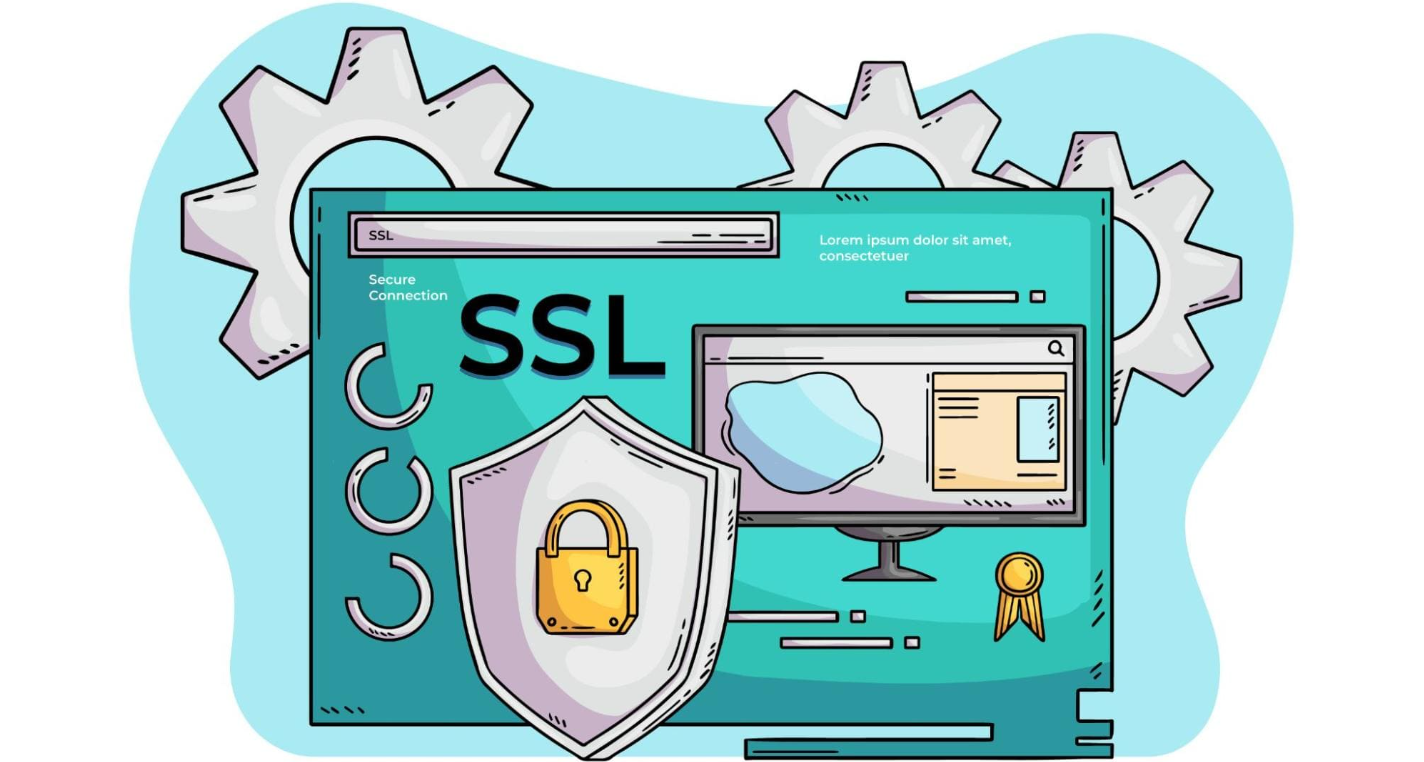
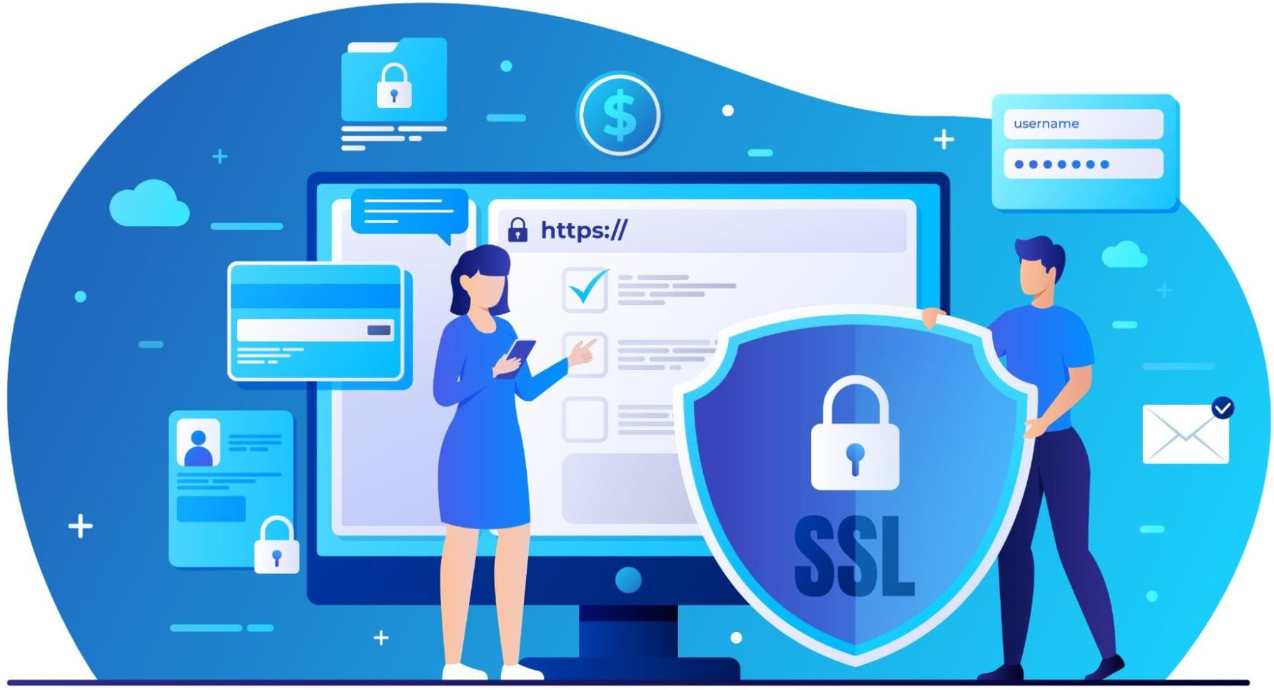
An SSL certificate functions as a digital identifier, providing a secure communication channel between the site and the user’s device. This means that the transmitted information is securely encrypted, eliminating the possibility of interception or substitution. The abbreviation SSL stands for Secure Sockets Layer – this is one of the basic security protocols.
The certificate gives you a set of files located on the site’s server. They include cryptographic keys and certification information: issue date, expiration date, geographic location, and sometimes detailed information about the resource owner. This technology is necessary to activate HTTPS – a secure data transfer protocol, without which the safe functioning of web applications is impossible. In this article, we will consider in detail why a modern site needs an SSL certificate, what components it includes and how to get it.
Why do you need an SSL certificate?
Security certificates play a key role in the modern digital ecosystem, performing many critical tasks. They do more than just protect users’ confidential data — they serve as a guarantee of the reliability of a web resource for both the audience and search engines. Moreover, having a certificate simplifies interaction with various services that impose high requirements for information security. For any Internet project, especially one focused on audience growth and user trust, such a tool is a mandatory element of the infrastructure.
Installing an SSL/TLS certificate on a website is necessary for a number of compelling reasons:
- Protection of transmitted information. The main task of the SSL (Secure Sockets Layer) protocols and its modern analogue TLS (Transport Layer Security) is to ensure secure data transfer between the client and the server. In open networks such as the Internet, unencrypted information becomes easy prey for intruders. Encryption technologies are used to prevent such risks. SSL/TLS encode all transmitted traffic, which makes intercepted data absolutely useless without the corresponding decryption key, which is located exclusively on the server side. This provides a critical level of protection that meets the realities of the digital age. Increased trust and search rankings. Search engines, including Google, have long made security one of the ranking factors. Sites that use a secure HTTPS connection get an advantage in search results. In addition, the lock icon in the browser address bar serves as a powerful signal to visitors: the resource is reliable, and the information transmitted is protected. This helps increase the time of interaction with the site, increase conversion and strengthen the reputation of the online platform. Thus, an SSL certificate is not just a technical requirement, but a strategic tool that ensures the security, trust and growth of a digital resource.
- Website security plays a vital role in determining search engine rankings. Both Yandex and Google prioritize sites with an SSL certificate, which makes it quite challenging to appear at the top of search results without utilizing the secure HTTPS protocol. For a project to achieve good rankings, it must not only offer relevant and high-quality content but also ensure that users can connect safely, thereby allowing them to share their personal information securely without any worries.
- Websites without proper certification often encounter difficulties when trying to partner with other applications due to significant safety concerns. For instance, when looking to integrate a site with a banking payment service, having a validated SSL certificate is absolutely essential. Without this certification, implementing online payment options becomes unfeasible, as customer payment data requires a specific level of security that only SSL can adequately provide to ensure trust and safety in all transactions.
- Earning users’ trust is vital in today’s digital landscape. No one wants their personal information to leak online or be misused by scammers. Even if a user isn’t fully aware of the differences between HTTP and HTTPS, their browser will indicate whether a site is safe for browsing. When they come across a warning featuring an open lock icon and the phrase “Connection not secure” right next to the URL, it won’t promote a feeling of safety—instead, it might drive them away from your site. Implementing an SSL certificate is essential for your business, allowing clients and partners to confidently share their sensitive information with you without fear of data breaches.
Types of SSL Certificates
All SSL certificates are issued to users by specialized certification authorities (CA), which are key participants in the Internet security system. There are different types of such certificates, and they are usually classified by the level of verification that the center performs before issuing them:
- Domain Validated (DV) certificates are a basic level of certification, where it is only important to confirm the rights to own a specific domain. The certification authority verifies that the specified web address actually belongs to the person who submitted the application by checking the correspondence between the domain and the server. Such certificates provide encryption protection for transmitted data, but do not disclose information about the owner of the resource.
- Organization Validated (OV) certificates carry out the procedure at a high level. In addition to confirming the domain name, the CA additionally checks information about the company or institution that owns the domain. These certificates are not issued to individuals and are issued only to legal entities. Their use is especially important for resources related to financial transactions, such as online banking or online stores, where an extremely important function is to bring everything to a high level of trust from customers. OV certificates act as a guarantor of authenticity and increase user confidence in the safety of interaction with the site.
- Extended Validation (EV) certificates are the most secure and prestigious type of SSL certificate, often coming with a significant price tag. Unlike standard certificates, the information related to the domain and the legal entity undergoes rigorous verification not just at issuance but also annually thereafter. Moreover, the certificate authority delves deeper than simply confirming the organization’s existence; it thoroughly investigates its legal activities and compliance. Websites that utilize this type of certificate prominently display the company’s name and its country in the browser’s address bar, instilling a greater sense of trust among visitors.
Additionally, there are notable differences in the number of domains and subdomains that a single certificate can protect. A WildCard certificate provides security for one main domain along with an unlimited number of subdomains associated with it, while Multi-Domain Certificates (MDC) can safeguard several unique domains that may even belong to different registration zones. Choosing the right type of SSL certificate is a critical decision; for the majority of websites, a free DV certificate usually meets their security needs effectively. It’s essential to assess your specific requirements before making a choice.
How to get an SSL certificate?
As mentioned earlier, certificates are issued by various accredited certification centers. There are many of them, and each of these organizations offers its own conditions – from completely free solutions to paid packages designed for different categories of users and tasks. You can get a certificate either directly by contacting the selected certification center, or by using the services of intermediaries, such as your hosting provider, who can simplify the registration and setup procedure.

First of all, you need to correctly configure the server and make sure that the WHOIS data for your domain name is up to date. This information must exactly match the information you provide to the certification center. After that, you should create a CSR on the server – a request for the issuance of an SSL certificate. This file contains key data about your resource and serves as the basis for further validation. If you encounter technical difficulties when generating a CSR or other stages, hosting provider specialists can provide qualified assistance. When the CSR is ready, it must be sent to the selected certification center and wait for the completion of the verification procedure and issuance of the certificate.
Free SSL Certificate
You can easily obtain a free SSL certificate from a variety of online platforms. Typically, these certificates are the most basic type, known as DV (Domain Validation) certificates, but they are issued incredibly fast—often within just a few minutes. You can request free SSL certificates from popular services like:
- Let’s Encrypt: This service provides certificates that are valid for 90 days and supports connections for multiple domains at once.
- Cloudflare: They offer lifetime certificates, which allow you to connect a large number of domains and subdomains effortlessly.
- ZeroSSL: This platform generates 90-day certificates specifically for a single domain name, making it simple to secure your site.
Occasionally, hosting providers also include free security certificates as a bonus when you sign up for their hosting services, giving you added value and peace of mind.
Paid SSL Certificate
When choosing an SSL certificate, look for trusted and respected certificate authorities that have earned trust due to the consistently high quality of their services. Among the leading players in the digital certificate market are companies such as Sectigo, GlobalSign, Thawte, Symantec and GeoTrust. These organizations provide a large collection of certificates focused on various tasks and security levels. However, it is worth considering that not all of them provide Extended Validation (EV) certificates, which protect with the highest level of trust.
The cost of SSL certificates will depend on the complexity of the verification process and the level of trust provided. As a rule, the more stringent the verification and the higher the authority of the certificate, the longer the process takes to obtain. For example, obtaining an EV certificate can take up to seven business days, and its cost often reaches several hundred dollars. Therefore, it is important to plan your budget and implementation time in advance.
It is also worth noting that many hosting companies offer the ability to purchase an SSL certificate directly through the control panel. This approach is convenient for those who prefer to minimize technical difficulties and integrate the certificate without unnecessary actions – everything happens in one interface, which speeds up and simplifies the setup process.
Conclusion
An SSL certificate will give you a digital signature that uses encryption keys to establish a secure connection between the server and the browser. It is a good security option for online stores, financial institutions, medical websites, and any digital projects that collect and manage personal information from customers. When implementing SSL, data is transmitted over a secure socket, which not only protects sensitive information, but also builds user trust and increases your credibility in the eyes of search engines. There are different types of SSL certificates, including both free and paid options, each designed to meet different needs. When choosing a certificate, it is important to consider your specific goals and the specific requirements of your project to give the protection optimal security and performance.